

In every profession, income plays a critical role in stability and long-term growth. Compensation structures vary widely across industries, and salary levels are not the same in every country. The medical field is no exception. Doctors invest years in education, training, licensing exams, and demanding work schedules, so fair financial recognition becomes an important factor when choosing where to practice.
After dedicating so much time and effort to becoming a medical professional, it’s natural to look for opportunities that offer better pay and stronger career prospects. This article explores the earning potential for doctors across some of the highest-paying countries and highlights what professionals can realistically expect in terms of financial rewards.
Working abroad also offers advantages that go beyond salary. Many doctors choose international opportunities because they help:
- Strengthen clinical expertise through exposure to advanced healthcare systems
- Rediscover motivation and passion for medical practice
- Support personal growth and global career exposure
- Build new skills outside medicine, including communication, adaptability, and cultural understanding
For easier comparison, the salary figures discussed are presented in US dollars and adjusted using Purchasing Power Parity (PPP). PPP is a standard economic measure that compares the value of different currencies based on what they can actually buy in each country. This allows a more accurate evaluation of earnings across nations, rather than relying only on exchange rates.
Table of Contents
10 Highest Paying Countries for Doctors
| Rank | Country | Entry Level | Average Salary | Senior Level | Hourly Rate |
|---|---|---|---|---|---|
| 1 | USA | $182,481/year | $270,143/year | $349,573/year | $129.88/hour |
| 2 | Switzerland | $174,529/year | $259,091/year | $334,339/year | $124.57/hour |
| 3 | Luxembourg | $166,718/year | $246,807/year | $319,376/year | $118.66/hour |
| 4 | Australia | $137,770/year | $203,621/year | $263,920/year | $97.90/hour |
| 5 | Canada | $121,797/year | $180,307/year | $233,323/year | $86.68/hour |
| 6 | Ireland | $119,528/year | $176,898/year | $228,978/year | $85.05/hour |
| 7 | Belgium | $116,885/year | $173,291/year | $223,912/year | $83.31/hour |
| 8 | Netherlands | $109,617/year | $162,369/year | $210,989/year | $78.07/hour |
| 9 | Austria | $109,361/year | $162,989/year | $209,499/year | $77.88/hour |
| 10 | Germany | $107,429/year | $159,035/year | $205,796/year | $76.46/hour |
1) United States

- Currency: US Dollar (USD)
- Population: 335 million
- Vacancies: Very High
- Job Access: Moderate to Competitive
- Entry Level: $182,481 / year
- Average Salary: $270,143 / year
- Senior Level: $349,573 / year
- Hourly Rate: $129.88 / hour
- Annual Bonus: $11,130 / year
Overview: The United States has one of the largest and most advanced healthcare systems globally, with strong demand for physicians across primary care and specialized fields. Workforce shortages are driven by an aging population, rising chronic diseases, physician burnout, and limited residency seats. Doctors must clear USMLE, residency, and state licensing to practice. The job environment is highly technology-driven and performance-focused, with strong earning potential and long-term career growth across hospitals, research, and private practice.
2) Switzerland

- Currency: Swiss Franc (CHF)
- Population: ~8.9 million
- Vacancies: High
- Job Access: Competitive
- Entry Level: CHF 155,829 = $174,529 / year
- Average Salary: CHF 231,331 = $259,091 / year
- Senior Level: CHF 298,517 = $334,339 / year
- Hourly Rate: CHF 111.22 = $124.57 / hour
- Annual Bonus: CHF 9,531 = $10,675 / year
Overview: Switzerland offers one of the highest physician pay scales globally, backed by a premium healthcare system and strong public funding. Workforce shortages exist due to an aging population and limited local medical graduates. Multilingual proficiency and credential recognition are essential for employment. The system prioritizes specialized doctors, advanced clinical expertise, and high-quality patient care, creating strong long-term career stability.
3) Luxembourg
- Currency: Euro (EUR)
- Population: ~660,000
- Vacancies: Moderate
- Job Access: Hard
- Entry Level: €152,952 = $166,718 / year
- Average Salary: €226,428 = $246,807 / year
- Senior Level: €293,005 = $319,376 / year
- Hourly Rate: €108.86 = $118.66 / hour
- Annual Bonus: €9,329 = $10,168 / year
Overview: Luxembourg provides high physician compensation supported by a strong economy and well-funded healthcare infrastructure. Due to its small population, hiring volumes are limited but demand for qualified doctors remains steady. Multilingual capability (French, German, or Luxembourgish) significantly improves employability. Roles typically require EU-recognized qualifications and strict credential validation before practice.
4) Australia
- Currency: Australian Dollar (AUD)
- Population: 26 million
- Vacancies: High
- Job Access: Moderate
- Entry Level: $208,742 AUD = $137,770 USD / year
- Average Salary: $308,517 AUD = $203,621 USD / year
- Senior Level: $399,879 AUD = $263,920 USD / year
- Hourly Rate: $148.33 AUD = $97.90 USD / hour
- Annual Bonus: $12,711 AUD = $8,389 USD / year
Overview: Australia continues to face physician shortages, particularly in rural and regional healthcare systems where access to specialists remains limited. Demand is rising due to an aging population, chronic disease prevalence, and expansion of public hospitals and private healthcare networks. International doctors can access opportunities through AHPRA licensing and skills assessment pathways, though registration standards are strict. The work environment is clinically advanced, research-driven, and offers strong work–life balance compared to many Western systems, with stable long-term career growth.
5) Canada

- Currency: Canadian Dollar (CAD)
- Population: ~40 million
- Vacancies: High
- Job Access: Moderate to Hard
- Entry Level: $164,591 CAD = $121,797 USD / year
- Average Salary: $243,658 CAD = $180,307 USD / year
- Senior Level: $315,302 CAD = $233,323 USD / year
- Hourly Rate: $117.14 CAD = $86.68 USD / hour
- Annual Bonus: $10,039 CAD = $7,429 USD / year
Overview: Canada experiences ongoing physician shortages, especially in primary care, family medicine, and rural provinces. Population growth, immigration, and rising healthcare utilization are increasing demand for medical professionals. Licensing requires credential verification, provincial registration, and residency equivalency, making entry competitive for international doctors. The healthcare system emphasizes patient-centered care, public funding, and long-term stability, offering strong earning potential and structured career pathways.
6) Ireland
- Currency: Euro (EUR)
- Population: 5.3 million
- Vacancies: High
- Job Access: Moderate
- Entry Level: €109,659 = $119,528 / year
- Average Salary: €162,292 = $176,898 / year
- Senior Level: €210,071 = $228,978 / year
- Hourly Rate: €78.03 = $85.05 / hour
- Annual Bonus: €6,686 = $7,288 / year
Overview: Ireland faces persistent doctor shortages due to migration of local professionals to higher-paying markets and growing healthcare demand. The system relies on international recruitment to support hospitals and public health services. Licensing through the Irish Medical Council is required. Work environments are hospital-centric, and demand is strong across emergency medicine, general practice, and specialized care. Career mobility within the EU adds long-term advantages.
7) Belgium
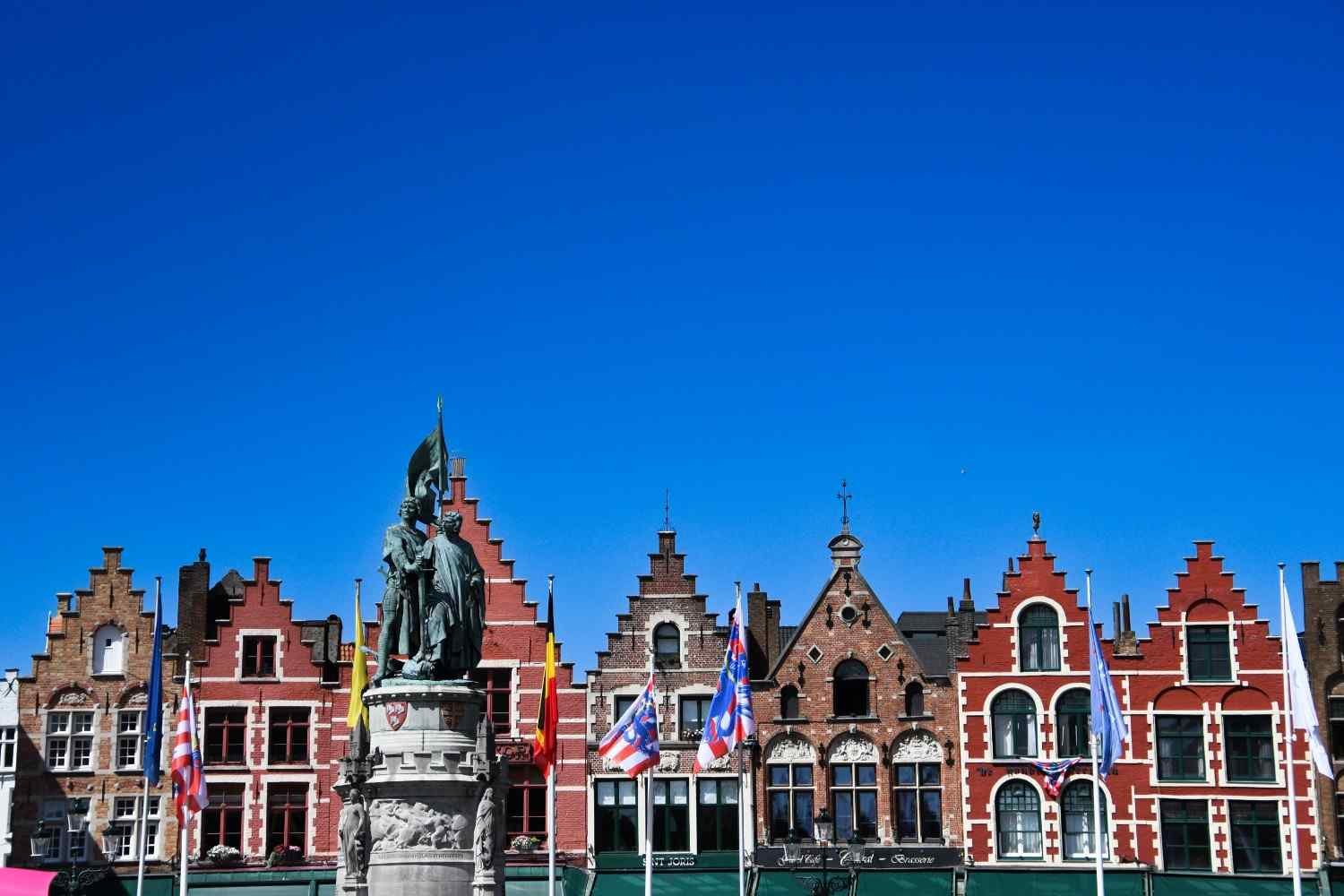
- Currency: Euro (EUR)
- Population: 11.8 million
- Vacancies: Moderate
- Job Access: Moderate
- Entry Level: €107,234 = $116,885 / year
- Average Salary: €158,983 = $173,291 / year
- Senior Level: €205,424 = $223,912 / year
- Hourly Rate: €76.43 = $83.31 / hour
- Annual Bonus: €6,550 = $7,140 / year
Overview: Belgium maintains a strong healthcare system with steady demand for physicians across public and private hospitals. Workforce shortages are moderate but increasing due to aging demographics and growing healthcare utilization. Multilingual proficiency (French/Dutch) improves employability. The system is stable, well-funded, and offers structured career progression with strong social security benefits.
8) Netherlands
- Currency: Euro (EUR)
- Population: 17.9 million
- Vacancies: Moderate
- Job Access: Hard
- Entry Level: €110,000 = $119,900 / year
- Average Salary: €165,000 = $179,850 / year
- Senior Level: €220,000 = $239,800 / year
- Hourly Rate: €80 = $87 / hour
- Annual Bonus: €7,000 = $7,630 / year
Overview: The Netherlands has a highly efficient and regulated healthcare system with controlled physician supply. Demand exists but hiring is selective due to structured workforce planning and strict credential recognition. Dutch language proficiency is essential. The work culture emphasizes efficiency, preventive care, and primary healthcare integration, offering strong professional stability and balanced working conditions.
9) Austria

- Currency: Euro (EUR)
- Population: 9 million
- Vacancies: Moderate
- Job Access: Moderate
- Entry Level: €100,331 = $109,361 / year
- Average Salary: €148,615 = $162,989 / year
- Senior Level: €192,201 = $209,499 / year
- Hourly Rate: €71.45 = $77.88 / hour
- Annual Bonus: €6,123 = $6,674 / year
Overview: Austria maintains a stable healthcare workforce but faces gradual shortages in rural hospitals and specialist care. The system is publicly funded with strong infrastructure and regulated physician training. German language proficiency is required. Demand is steady, with reliable career pathways and strong social benefits for healthcare professionals.
10) Germany
- Currency: Euro (EUR)
- Population: 84 million
- Vacancies: High
- Job Access: Moderate
- Entry Level: €98,558 = $107,429 / year
- Average Salary: €145,904 = $159,035 / year
- Senior Level: €188,804 = $205,796 / year
- Hourly Rate: €70.15 = $76.46 / hour
- Annual Bonus: €6,011 = $6,552 / year
Overview: Germany has a strong and expanding healthcare system with continuous demand for physicians, particularly in rural regions and elderly care services. The country actively recruits international doctors to address workforce gaps. Licensing requires credential recognition and German language proficiency. The work environment is structured, hospital-driven, and offers long-term employment stability, research exposure, and career advancement opportunities.
Frequently Asked Questions
u003cstrongu003eWhich country pays doctors the highest salary in the world?u003c/strongu003e
Countries like the United States, Switzerland, and Luxembourg consistently rank among the highest-paying destinations for doctors due to advanced healthcare systems and strong demand for specialists.
What factors affect a doctor’s salary in different countries?
Salary depends on specialization, experience, country demand, licensing requirements, healthcare funding, and whether the role is in public or private practice.
Are international doctors eligible to work in high-paying countries?
Yes, but they must complete licensing exams, credential recognition, language requirements, and residency or registration processes depending on the country.
Which countries have the highest demand for doctors?
The United States, Germany, Canada, Australia, and Ireland have strong demand due to aging populations, healthcare expansion, and workforce shortages.
Do specialist doctors earn more than general physicians
Yes. Specializations like cardiology, neurosurgery, orthopedics, and oncology typically offer significantly higher salaries than general practice roles.
u003cstrongu003eIs it difficult to get a medical job abroad?u003c/strongu003e
It can be competitive. Most countries require licensing exams, language proficiency, and clinical experience before allowing doctors to practice.
Which country is easiest for doctors to migrate to?
Countries like Germany, Ireland, and Australia are considered more accessible compared to the U.S. or Switzerland due to structured migration and licensing pathways.
What qualifications are required to work as a doctor internationally?
An MBBS degree, postgraduate specialization (if required), licensing exams, credential verification, and language proficiency certifications.
Do doctors earn tax-free salaries in all countries?
No. Tax structures vary by country. Some regions like the UAE offer tax-free income, while most Western countries have higher taxation but also strong benefits.
How long does it take to start working abroad as a doctor?
The process can take 6 months to 3 years depending on licensing exams, residency requirements, documentation, and immigration procedures.