
If you’re planning to work in a European country, you’ve probably heard about the Europass CV. The moment it comes up, most people start wondering what it actually is, why it’s required, how to create one, and whether the process is complicated. These questions are common for anyone preparing for jobs across Europe.
What makes it even more interesting is how often employers across Europe specifically look for it, and how candidates who already have it seem to move faster in the hiring process. Many applicants only realize its importance after they start applying and notice the expectations are different from regular resumes. That’s when curiosity kicks in is it just a format, a requirement, or something that actually impacts selection chances?
Table of Contents
What Is Europass CV?
A Europass CV is a free and standardized ats resume format developed by the European Union that helps people present their skills, education, and work experience in a clear and consistent way across European countries. It is available in 31 languages and follows a structured layout that includes personal details, work experience in reverse chronological order, and educational qualifications.
- Allows inclusion of additional personal details such as nationality and date of birth when required for European job applications
- Presents skills in clearly structured and separate categories for easier evaluation by employers
- Uses standardized language proficiency levels based on the CEFR scale (A1–C2) to clearly indicate communication ability across languages
Advantages of a Europass CV
- Standardized European Format: The Europass CV follows a uniform structure that is widely recognized across European countries. This makes it easier for employers, institutions, and recruiters to quickly understand a candidate’s background without needing to interpret different resume styles. It is especially useful for cross-border applications where hiring teams review candidates from multiple education and professional systems.
- Easy Candidate Comparison: Since all Europass CVs follow a similar layout, recruiters can evaluate multiple applicants more efficiently. Education, skills, and work experience appear in predictable sections, allowing employers to focus on qualifications and suitability rather than spending time understanding different resume formats.
- Clear Skill and Education Presentation: The format organizes information into well-defined sections such as work experience, academic background, certifications, and technical skills. This structured approach improves readability and ensures that key competencies are not overlooked during the screening process.
- Multilingual Support: Europass CVs can be created in many European languages, which helps candidates apply for roles in different countries without needing to redesign their resume each time. This supports mobility and increases opportunities for international job applications.
- Useful for Academic and Public Sector Roles: Many universities, research institutions, and government organizations prefer standardized resumes. A Europass CV aligns well with these requirements, making it suitable for scholarships, research positions, internships, and public sector employment.
- Simple Creation Process: The official Europass platform provides a guided CV builder that helps users enter their details step by step. Even those with little experience in resume writing can create a professional-looking CV without worrying about formatting or layout.
- Consistency Across Borders: Different countries follow different resume expectations, which can sometimes create confusion for applicants. The Europass format removes this challenge by offering a single structure that works across multiple European job markets, improving clarity and application confidence.
When to Use a Europass CV

Many people believe a Europass CV is required for every job in Europe, but that isn’t the case. It is mainly used in certain situations where a standard format is preferred or officially requested
A) Use a Europass CV When:
- European Union institutions or public sector organizations ask for it
- The application portal accepts only the Europass resume format
- You are applying for academic, research, or cross-country opportunities within Europe
- The job posting clearly mentions that a Europass CV must be submitted
B) Dont Use a Europass CV When:
- The employer asks for a customized or industry-specific resume format
- You are applying for roles in creative fields like design, media, or marketing where presentation matters
- The company is a private organization that prefers concise, tailored CVs
- The job market expects achievement-focused resumes instead of structured templates
- You want to highlight personal branding, portfolio work, or unique career storytelling
- The application does not mention Europass as a requirement and allows flexible resume formats
Europass CV Template
Here is a Europass CV text template that you can copy and paste into any resume format or document editor, then modify with your own personal details, qualifications, and experience.
Personal Information

Michael Johnson
Houston, Texas, USA
Phone Number: +1 713 555 2847
Email Address: michael.johnson@email.com
Nationality: American
Date of Birth: 10 May 1995


Work Experience

   Registered Nurse – Memorial Hermann Hospital
   Houston, Texas | Mar 2021 – Present

    • Deliver patient-centered care
    • Administer medications
    • Monitor vital signs
    • Assist physicians during procedures
    • Maintain electronic medical records.

   Clinical Nurse Assistant – Texas Medical Center
   Houston, Texas | Jun 2019 – Feb 2021

    • Assisted senior nurses with patient monitoring
    • supported emergency care
    • handled documentation and ward coordination.


Education and Training

Bachelor of Science in Nursing (BSN)
University of Texas
2015 – 2019

High School Diploma (Science)
Houston High School
2011 – 2015

Personal Skills

• Mother Tongue: English
• Communication Skills: Strong patient communication, ability to explain medical procedures clearly, and experience working with multidisciplinary healthcare teams.
• Managerial Skills: Efficient in managing patient schedules, coordinating with physicians, and handling emergency response situations.
Job-Related Skills
Patient care, medication administration, infection control, ICU support, electronic health record management.
Digital Skills: Electronic Health Records (EHR), hospital management systems, MS Office, clinical documentation tools.


Additional Information
• Certifications:
  • Basic Life Support (BLS)
  • Advanced Cardiac Life Support (ACLS)
• Workshops:
  • Emergency Patient Care & Safety Training
How to Create a Europass CV
Step 1: Go to the Official Europass Website
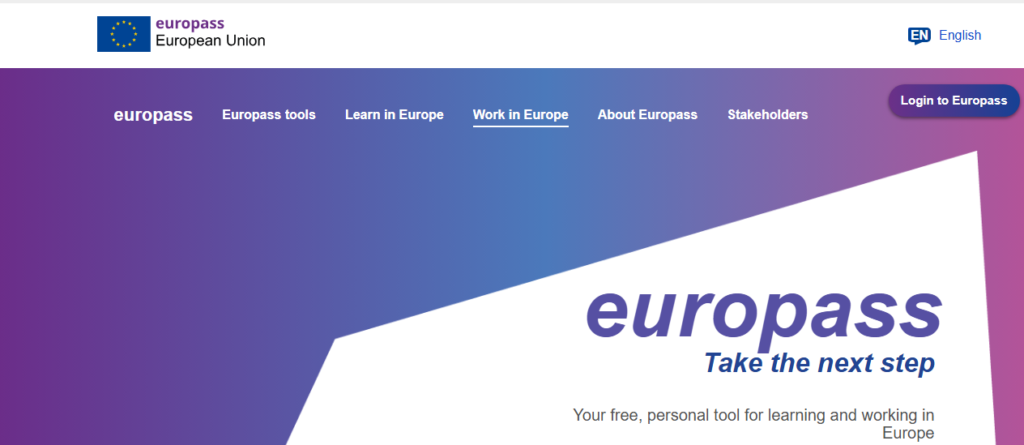
Open the Europass platform and choose the CV builder. This is the official tool used across Europe for job and study applications.
Step 2: Create Your Profile
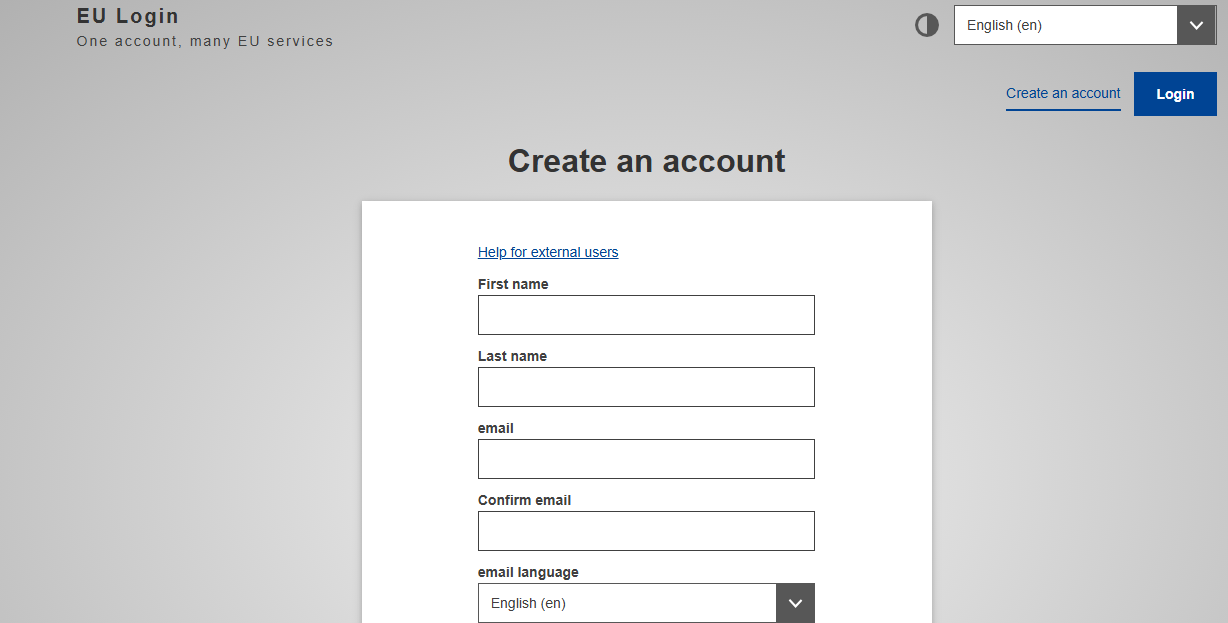
Start by filling in your basic details:
- Full name
- Phone number & email
- Location
- Professional title (example: Nurse, Accountant, Designer) Then add your education and work experience step by step.
Step 3: Add Your Skills and Qualifications
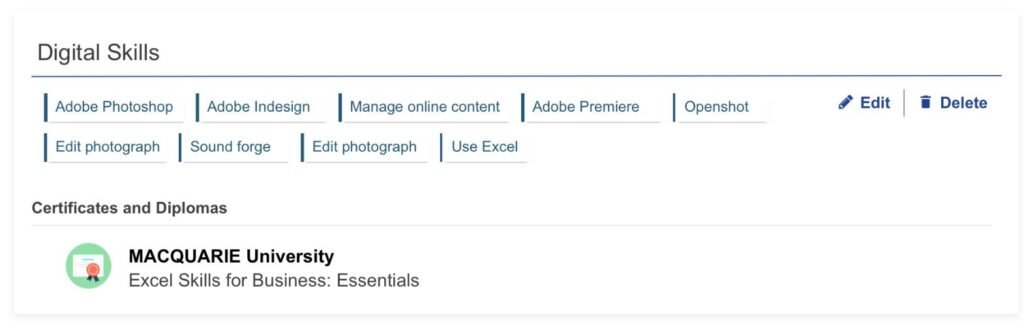
This section is very important. Include:
- Language skills (English, German, etc.)
- Digital skills (MS Excel, Photoshop, Tally, etc.)
- Certifications and training programs
- Job-related skills (communication, leadership, technical skills)
Step 4: Choose the Europass CV Format
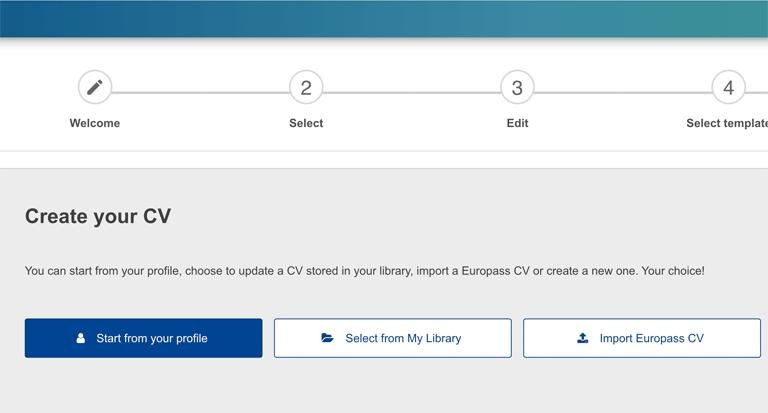
Select the Europass CV layout. The system will automatically arrange your information in a professional structure that recruiters in Europe are familiar with.
Step 5: Edit and Improve Your Content
Make your CV stronger by:
- Writing short and clear job descriptions
- Adding achievements (not just responsibilities)
- Using simple, professional words
- Checking spelling and accuracy
Step 6: Download or Share Your CV
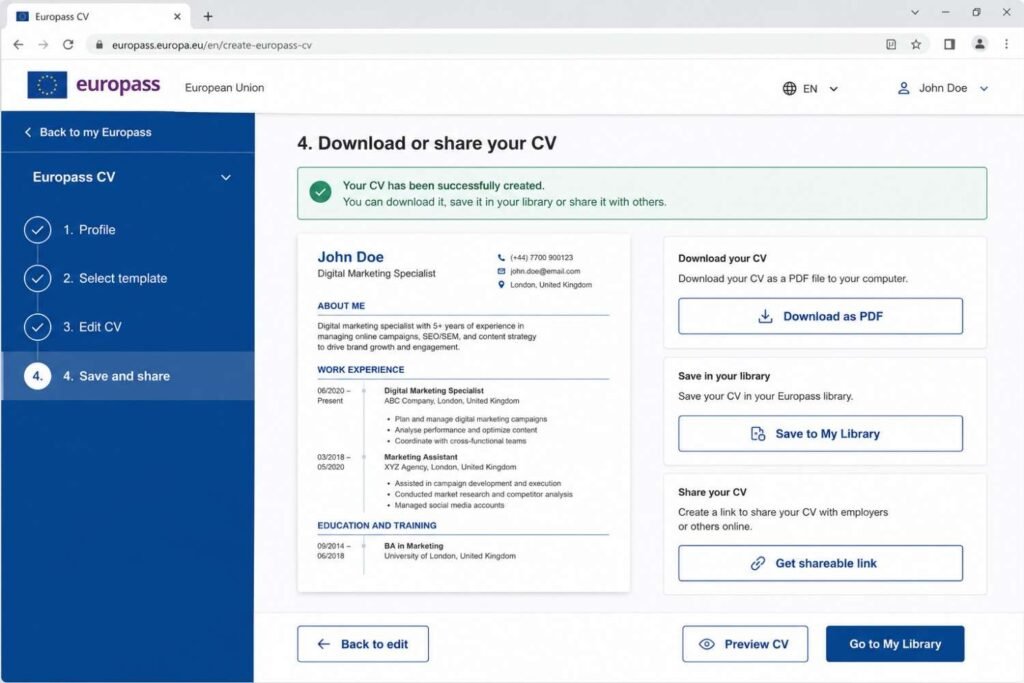
Once finished, you can:
- Download as PDF
- Share via link
- Use for job applications, university admissions, and visa documentation
Countries Where Europass CV is Commonly Accepted
European Union (EU) countries:
- Austria
- Belgium
- Bulgaria
- Croatia
- Cyprus
- Czech Republic
- Denmark
- Estonia
- Finland
- France
- Germany
- Greece
- Hungary
- Ireland
- Italy
- Latvia
- Lithuania
- Luxembourg
- Malta
- Netherlands
- Poland
- Portugal
- Romania
- Slovakia
- Slovenia
- Spain
- Sweden
EEA & partner countries:
- Turkey (education & EU programs)
- Norway
- Iceland
- Liechtenstein
- Switzerland (used in academic/public sectors)
10 Europass CV Writing Tips
- Follow the Europass structure properly: Complete each section carefully and keep the format consistent so employers can easily review your profile.
- Customize for each job application: Update your experience, skills, and summary based on the role instead of using the same CV everywhere.
- Highlight relevant experience first: Place the most important work experience and qualifications at the top to create strong first impressions.
- Use clear and professional language: Write simple, direct sentences that explain your responsibilities and expertise clearly.
- Show achievements, not just responsibilities: Mention results, contributions, and improvements to demonstrate your value.
- Add accurate language proficiency levels: Use CEFR levels (A1–C2) to present your communication ability in a standardized way.
- Include job-related technical skills: List tools, software, and professional competencies relevant to the role you are applying for.
- Keep personal information relevant: Add only necessary details that support your application and match European hiring expectations.
- Maintain consistency in dates and formatting: Ensure your education and work timelines are correct and easy to follow.
- Proofread before downloading or sharing: Review spelling, grammar, and clarity to make sure your CV appears polished and professional.
Frequently Asked Questions
Is a Europass CV mandatory for all jobs in Europe?
No, it is not required for every job. It is mainly used when employers, EU institutions, or academic programs specifically ask for it.
Is the Europass CV free to create?
Yes, the Europass CV builder is completely free and available on the official Europass website.
Can I use a Europass CV outside Europe?
It is primarily designed for European job markets, but it can still be used for international applications where a structured CV is preferred.
What information should be included in a Europass CV?
Personal details, work experience, education, skills, language proficiency, certifications, and other relevant qualifications.
Can I edit my Europass CV after creating it?
Yes, you can log in anytime, update your details, and download a revised version.
Is Europass CV suitable for private company jobs?
Only if the employer accepts it. Many private companies prefer customized resumes instead of standardized formats.
Do I need to include a photo in a Europass CV?
It is optional and depends on the job and country requirements.
Can freshers use a Europass CV?
Yes, it is useful for students and fresh graduates applying for internships, academic programs, or entry-level jobs.
How long should a Europass CV be?
It should be concise and relevant, usually 1–2 pages depending on experience.
Does Europass CV increase chances of getting hired?
It helps present information clearly and professionally, but selection depends on qualifications, experience, and job fit.