
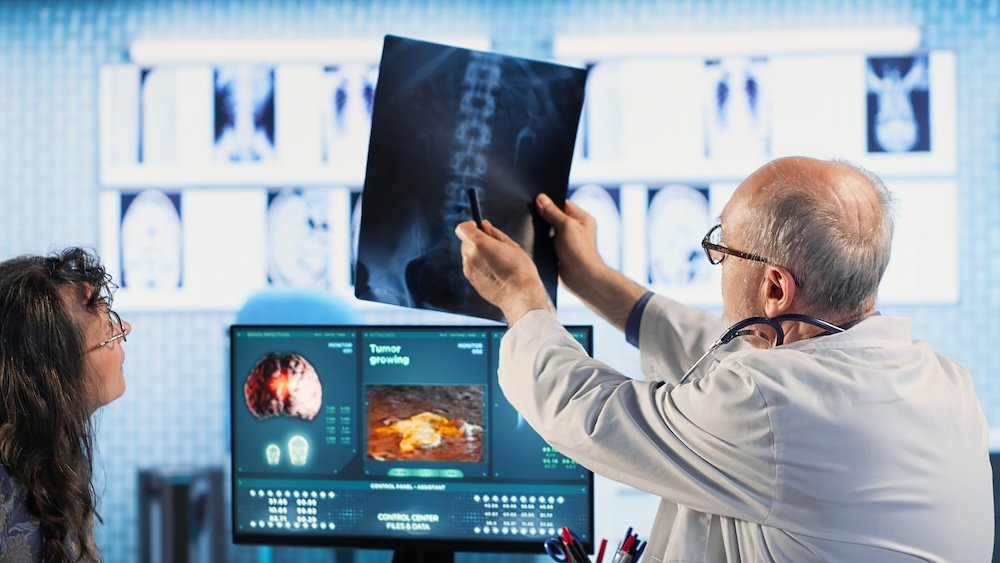
Radiology is a high-impact medical career that combines healthcare expertise with advanced imaging technology. Radiologists use tools like X-rays, CT scans, and MRIs to diagnose diseases, guide treatments, and improve patient outcomes. It’s an ideal path for individuals who enjoy analytical thinking, precision, and working with evolving medical technology, while offering strong earning potential and global career opportunities.
The path typically involves completing a pre-med degree, attending medical school, and pursuing a radiology residency, followed by optional subspecialization. Although the journey is rigorous, it delivers long-term job stability, professional recognition, and significant financial growth—making radiology a strategic and future-proof career choice.
Table of Contents
What is Radiology?
Radiology is a branch of medicine that focuses on understanding what’s happening inside the body using imaging tools like X-rays, CT scans, MRIs, and ultrasounds. Instead of relying only on symptoms, doctors use these images to get a clear, detailed view of organs, bones, and tissues. This helps in detecting problems early and choosing the right treatment. As medical technology keeps improving, radiology continues to play a vital role in accurate and faster diagnosis.
Who is a Radiologist?
A radiologist is a medical doctor who is trained to read and interpret these images. They carefully analyze scans to find signs of disease, injury, or abnormalities and share their findings with other doctors to guide patient care. In some cases, they also perform procedures using imaging for precision. Their work requires a sharp eye for detail, strong medical knowledge, and the ability to make critical decisions that directly impact a patient’s health.
Why Choose Radiology as a Career?
- Consistent Demand Across Healthcare: From hospitals to diagnostic centers, radiologists are essential everywhere, ensuring strong and stable career opportunities.
- Attractive Earning Potential: Radiology stands among the top-paying medical specialties, offering long-term financial growth and stability.
- Lower Emergency Pressure: Unlike many clinical roles, radiologists often work in more structured environments with fewer emergency interruptions.
- Driven by Advanced Technology: If you’re interested in innovation, radiology keeps you close to cutting-edge tools and evolving medical technologies.
- Real Impact on Patient Outcomes: Early detection through imaging can save lives, making your role both responsible and highly rewarding.
- Better Work-Life Balance: Compared to many other medical fields, radiology often allows more predictable hours and flexible work setups.
- Engaging and Analytical Work: Every scan is different, requiring focus, interpretation, and problem-solving—keeping the work intellectually stimulating.
- Respected Expertise in Healthcare: Radiologists play a key role in diagnosis, making their insights highly valued by other medical professionals.
Types of Radiologists
| Type of Radiologist | What They Do | Key Responsibilities |
|---|---|---|
| Diagnostic Radiologist | Uses imaging to identify diseases and medical conditions | – Analyze X-rays, CT scans, MRIs, and ultrasounds – Detect issues like tumors, fractures, and infections – Prepare clear reports for doctors – Work in areas like pediatric, chest, and musculoskeletal imaging |
| Radiation Oncologist | Uses radiation therapy to treat cancer | – Plan and deliver radiation treatment – Target cancer cells and control their growth – Monitor patient progress and side effects – Adjust treatment plans when needed |
| Interventional Radiologist | Performs minimally invasive procedures using imaging guidance | – Conduct procedures like biopsies and stent placement – Use real-time imaging for accuracy – Treat conditions without major surgery – Help patients recover faster with less risk |
Responsibilities of a Radiologist
- Interpreting Medical Images: Radiologists carefully examine scans like X-rays, CTs, MRIs, and ultrasounds to understand what’s happening inside the body. They look for even the smallest changes and prepare clear reports that help other doctors make the right decisions.
- Diagnosing Diseases: They identify conditions such as infections, fractures, tumors, and internal injuries. Often, radiologists help detect problems early—before symptoms become serious.
- Working with Other Doctors: Radiologists regularly discuss cases with physicians and surgeons. Their insights help plan treatments, surgeries, and patient care more accurately.
- Performing Imaging Procedures: They ensure scans are done correctly and safely. This includes guiding technicians, positioning patients properly, and maintaining image quality.
- Tracking Patient Progress: By comparing past and current scans, radiologists monitor whether a condition is improving or worsening, helping doctors adjust treatment plans.
- Interventional Procedures: Some radiologists perform minimally invasive treatments like biopsies or placing stents using imaging guidance, reducing the need for major surgery.
- Ensuring Patient Safety: They follow strict safety protocols, especially when using radiation, to protect patients during imaging procedures.
- Maintaining Accurate Records: Radiologists document findings clearly and keep detailed reports that become part of a patient’s medical history.
- Using Advanced Technology: They work with modern imaging systems and software, including AI tools, to improve accuracy and efficiency.
- Continuous Learning: Since medical imaging evolves rapidly, radiologists constantly update their knowledge to stay current with new techniques and technolog
Technologies Used by Radiologists
| Imaging Type | How It Works | Common Uses | Why It Matters |
|---|---|---|---|
| X-rays | Uses a small amount of radiation to create images of bones and tissues. Dense areas like bones appear white, while softer tissues appear darker. | – Detect fractures and bone injuries – Identify lung infections (e.g., pneumonia) – Dental examinations | Fast, affordable, and widely available often the first step in diagnosis, especially in emergencies. |
| CT Scan (Computed Tomography) | Combines multiple X-ray images from different angles to create detailed cross-sectional and 3D views of the body. | – Detect internal bleeding and trauma – Diagnose cancers and tumors – Examine brain, lungs, and abdomen | Provides highly detailed internal images, making it critical for emergency and complex diagnoses. |
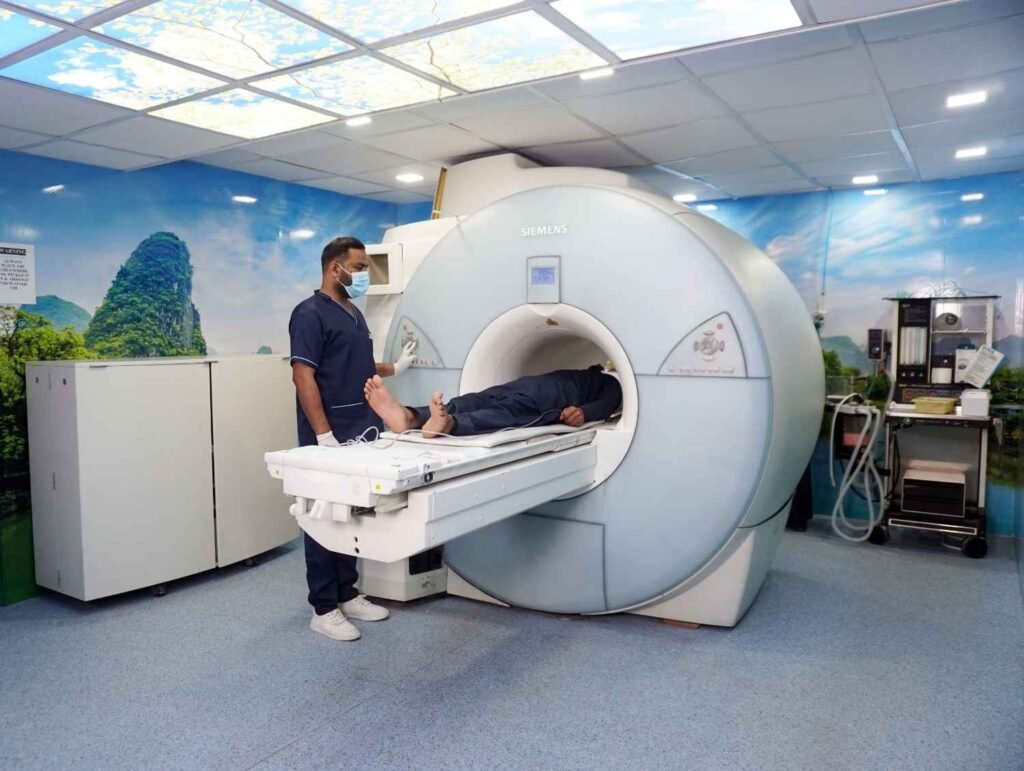
| MRI (Magnetic Resonance Imaging) | Uses strong magnetic fields and radio waves (no radiation) to produce detailed images, especially of soft tissues. | – Brain and spinal cord disorders – Joint and ligament injuries – Tumor and nerve-related issues | Offers high-resolution imaging without radiation, ideal for diagnosing complex conditions safely. |
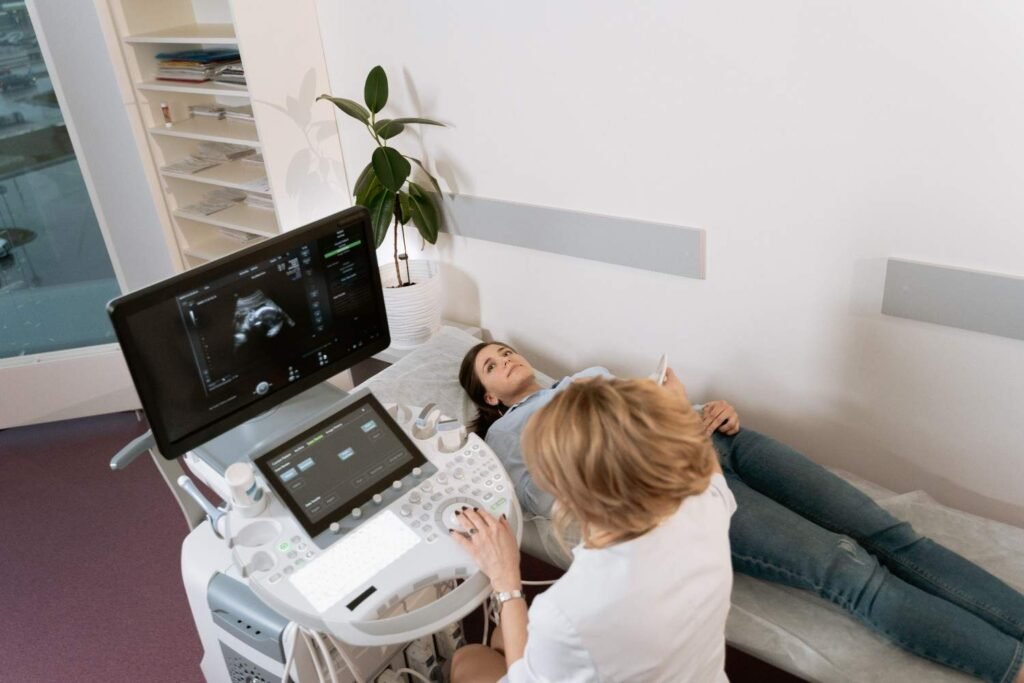
| Ultrasound (Sonography) | Uses high-frequency sound waves to create real-time images of internal organs. | – Pregnancy and fetal monitoring – Examine organs (liver, kidney, heart) – Detect cysts or fluid buildup | Safe, painless, and real-time—perfect for continuous monitoring and guided procedures. |
Major Conditions Diagnosed by Radiologists
| Condition | What Radiologists Do | Why It Matters |
|---|---|---|
| Cancer | – Detect abnormal growths (tumors) using CT, MRI, and scans – Determine size, location, and stage – Track treatment response over time | Early detection improves survival rates and helps doctors choose the right treatment quickly. |
| Fractures & Bone Injuries | – Identify broken bones, hairline fractures, and dislocations – Assess severity and exact location | Ensures accurate treatment like casting, surgery, or therapy preventing long-term damage. |
| Tumors (Benign & Malignant) | – Analyze shape, size, and behavior of tumors – Guide decisions for biopsy or surgery – Monitor growth or shrinkage | Helps avoid unnecessary procedures and ensures precise, targeted treatment. |
| Internal Bleeding & Trauma | – Detect internal injuries after accidents – Identify bleeding in organs or brain | Critical in emergency care where fast diagnosis can save lives. |
| Infections | – Spot infections in lungs (like pneumonia), organs, or bones – Assess severity and spread | Enables early treatment and prevents complications. |
| Brain & Neurological Disorders | – Detect strokes, tumors, and nerve-related issues – Evaluate brain structure and function | Helps in early intervention for life-threatening or disabling conditions. |
| Heart & Vascular Diseases | – Identify blockages, clots, or blood vessel issues – Assess heart structure and blood flow | Supports prevention of heart attacks and strokes. |
| Organ Disorders | – Examine liver, kidneys, lungs, and abdomen – Detect abnormalities like cysts, stones, or damage | Helps in diagnosing chronic and acute diseases accurately. |
How to Become a Radiologist
1. Complete Secondary Education
- Study Physics, Chemistry, and Biology
- Achieve high academic scores in final school examinations
- Develop strong analytical and problem-solving skills
Your journey begins with completing secondary education in the science stream. A solid understanding of core science subjects is essential because it forms the base for medical studies. High academic performance is important, as entry into medical programs is competitive and requires strong grades.
2. Complete a Medical Degree
- Enroll in a recognized medical program (MBBS or MD equivalent)
- Duration typically ranges from 4 to 6 years
- Gain theoretical knowledge and clinical exposure
Medical school is where you build your foundation as a doctor. During this period, you study subjects such as anatomy, physiology, pathology, and pharmacology. As the course progresses, you also participate in clinical rotations in hospitals, where you interact with patients and learn how healthcare systems operate in real settings.
3. Complete Internship Training
- Work in a hospital under supervision
- Rotate through key departments such as medicine and surgery
- Gain practical, hands-on clinical experience
After completing your medical degree, you must undergo a mandatory internship. This phase allows you to apply your knowledge in real-life scenarios. You work closely with senior doctors, manage patients, and develop essential clinical skills. Successfully completing this stage is required to move forward in your medical career.
4. Gain Experience as a Junior Doctor
- Work as a resident or house officer
- Build experience across multiple specialties
- Strengthen clinical decision-making skills
Following internship, you spend a few years working as a junior doctor. This period is important for gaining broader exposure to different areas of medicine. It also helps you decide your specialization and build a strong professional profile, which is necessary for entering radiology training.
5. Enter Radiology Specialist Training
- Apply for specialist training programs in radiology
- Selection is competitive and based on experience and performance
- Training is structured and supervised
To become a radiologist, you must enter a formal radiology training program. Admission is competitive, and candidates are selected based on their clinical experience, academic background, and overall suitability. This stage marks the beginning of your focused journey into radiology.
6. Complete Radiology Training
- Training duration is typically around 5 years
- Learn to interpret imaging such as X-rays, CT scans, MRI, and ultrasound
- Gain experience in diagnostic and image-guided procedures
- Develop understanding of radiation safety and imaging technology
Radiology training is the most intensive part of the journey. During this time, you learn how to accurately read medical images and support diagnosis. You also gain exposure to advanced procedures and technologies. Continuous assessments and exams are conducted to ensure you meet professional standards.
7. Obtain Specialist Qualification
- Successfully complete all training requirements and assessments
- Receive certification as a specialist radiologist
- Become eligible to work independently
After completing your training, you are awarded specialist recognition. This qualification allows you to practice independently as a radiologist. At this stage, you are fully responsible for interpreting imaging and contributing to patient care decisions.
8. Pursue Subspecialization (Optional)
- Choose a focused area such as interventional radiology or neuroradiology
- Undertake additional training for 1 to 2 years
- Improve expertise and career opportunities
Many radiologists choose to specialize further in a particular field. This allows them to develop advanced skills and work in highly specialized areas of medicine. Subspecialization can also lead to better career prospects and higher income.
Top 5 Highest Paying Countries for Radiologist
1. Switzerland
- Currency: Swiss Franc (CHF)
- Population: 8.8 million
- Vacancies: 10,000+
- Job Access: Hard
Salary
- Entry Level: CHF 250,681 = $313,350 / year
- Average Salary: CHF 384,891 = $481,110 / year
- Senior Level: CHF 441,856 = $552,300 / year
- Hourly Rate: CHF 185.04 = $231.30 / hour
- Annual Bonus: CHF 35,718 = $44,650 / year
2. United States
- Currency: US Dollar (USD)
- Population: 335 million
- Vacancies: High
- Job Access: Moderate
Salary
- Entry Level: $294,598 / year
- Average Salary: $451,063 / year
- Senior Level: $518,513 / year
- Hourly Rate: $216.86 / hour
- Annual Bonus: $41,859 / year
3. Australia
- Currency: Australian Dollar (AUD)
- Population: 26.5 million
- Vacancies: 70,000+ projected
- Job Access: Moderate
Salary
- Entry Level: $337,161 AUD = $219,150 USD / year
- Average Salary: $515,394 AUD = $335,000 USD / year
- Senior Level: $592,927 AUD = $385,400 USD / year
- Hourly Rate: $247.79 AUD = $161.00 USD / hour
- Annual Bonus: $47,829 AUD = $31,100 USD / year
4. Ireland
- Currency: Euro (EUR)
- Population: 5.3 million
- Vacancies: 10,000+
- Job Access: Moderate
Salary
- Entry Level: €176,716 = $189,090 USD / year
- Average Salary: €270,496 = $289,430 USD / year
- Senior Level: €310,988 = $332,760 USD / year
- Hourly Rate: €130.05 = $139.15 USD / hour
- Annual Bonus: €25,102 = $26,860 USD / year
5. Canada
- Currency: Canadian Dollar (CAD)
- Population: 40 million
- Vacancies: 60,000+
- Job Access: Moderate
Salary
- Entry Level: 264,977 CAD = $196,080 USD / year
- Average Salary: 405,709 CAD = $300,220 USD / year
- Senior Level: 466,378 CAD = $345,120 USD / year
- Hourly Rate: 195.05 CAD = $144.30 USD / hour
- Annual Bonus: 37,650 CAD = $27,860 USD / year
Disclaimer:The salary figures presented in this article are based on data sourced from SalaryExpert and are intended for general informational purposes only. These figures represent estimated averages and may not reflect current or exact compensation in specific regions or organizations. Actual salaries can vary significantly depending on factors such as experience level, qualifications, specialization, geographic location, and market demand. Readers are advised to conduct independent research or consult official sources before making any career or financial decisions.
Frequently Asked Questions (FAQs)
u003cstrongu003eWho is a radiologist?u003c/strongu003e
A radiologist is a medical doctor who specializes in diagnosing and sometimes treating diseases using medical imaging techniques such as X-rays, CT scans, MRI scans, ultrasound, and other advanced imaging tools. They help doctors understand what is happening inside the body without surgery and play a major role in accurate diagnosis and treatment planning.
What does a radiologist do?
A radiologist studies and interprets medical images to identify injuries, infections, tumors, fractures, organ damage, and many other conditions. In some cases, radiologists also perform image-guided procedures such as biopsies, drainages, and minimally invasive treatments. Their findings are used by other doctors to make treatment decisions.
Is a radiologist a doctor?
Yes, a radiologist is a fully qualified medical doctor. To become a radiologist, a person must first complete a medical degree, undergo internship or clinical training, and then complete specialist training in radiology. It is not a short-term course or technician role.
How long does it take to become a radiologist?
Becoming a radiologist usually takes around 10 to 14 years in total. This includes secondary education, medical school, internship, junior doctor experience, specialist radiology training, and sometimes additional subspecialty training. The exact duration may vary slightly depending on the training structure and individual progress.
Is radiology a good career?
Radiology is considered one of the most respected and rewarding careers in medicine. It offers strong job stability, high earning potential, global demand, and the chance to work with advanced medical technology. It is especially suitable for people who enjoy diagnosis, analysis, precision, and technology-based healthcare.
Is radiology hard to study?
Yes, radiology is a challenging field because it requires a strong understanding of medicine, anatomy, pathology, imaging technology, and clinical decision-making. It also demands attention to detail and continuous learning. However, for students who are committed and interested in both medicine and technology, it can be highly rewarding.
What skills are needed to become a radiologist?
A radiologist needs strong analytical thinking, attention to detail, technical knowledge, problem-solving ability, communication skills, and the ability to work accurately under pressure. Since imaging plays a critical role in patient care, precision and consistency are extremely important in this profession.
What subjects are important for becoming a radiologist?
A strong background in Physics, Chemistry, and Biology is important at the school level because these subjects form the foundation for medical education. Later, during medical studies and specialist training, subjects such as anatomy, pathology, physiology, and imaging science become highly important.
Do radiologists only read scans?
No, radiologists do much more than just read scans. In addition to interpreting X-rays, CT scans, MRIs, and ultrasounds, they also advise other doctors, guide treatment decisions, monitor disease progression, and in some cases perform minimally invasive procedures using imaging guidance.
What is the difference between a radiologist and a radiographer?
A radiologist is a medical doctor who interprets imaging and makes diagnostic decisions, while a radiographer is a trained healthcare professional who operates imaging equipment and captures the images. Both work closely together, but their roles, qualifications, and responsibilities are different.
Can radiologists perform surgery?
Radiologists do not usually perform traditional open surgery. However, interventional radiologists perform minimally invasive procedures using imaging guidance. These procedures may include biopsies, stent placement, drainage procedures, and treatment of certain blockages or tumors without large surgical incisions.
Do radiologists work directly with patients?
Radiologists usually have less direct patient interaction compared to many other doctors, but they still work closely with patients in several situations. For example, they may explain imaging procedures, perform ultrasound-guided or CT-guided procedures, and interact directly with patients during interventional treatments.
Is radiology in demand?
Yes, radiology is in high demand across the world. As healthcare systems expand and more diseases are diagnosed through imaging, the need for skilled radiologists continues to grow. Hospitals, imaging centers, private clinics, and tele-radiology services all create strong career opportunities in this field.
Can radiologists work abroad?
Yes, radiologists often have strong international career opportunities. Since medical imaging is essential in every healthcare system, qualified radiologists are needed globally. However, working abroad usually requires meeting licensing, registration, and training recognition requirements of the country where you want to practice.
What are the different types of radiologists?
There are several types of radiologists depending on their area of specialization. Common examples include diagnostic radiologists, interventional radiologists, pediatric radiologists, neuroradiologists, musculoskeletal radiologists, and breast imaging specialists. Each type focuses on specific conditions, body systems, or procedures.
Is radiology a high-paying career?
Yes, radiology is widely known as one of the highest-paying careers in medicine. Because it requires advanced training, specialist knowledge, and strong diagnostic skills, radiologists are generally well paid. Earnings can increase further with experience, subspecialization, private practice, or international work opportunities.
Can radiologists work from home?
In some cases, yes. With the growth of tele-radiology, radiologists can review and report imaging studies remotely using secure digital systems. This has created more flexible work options in the profession, especially for reporting scans for hospitals and diagnostic centers in different locations.
What are the biggest advantages of becoming a radiologist?
Some of the biggest advantages include high income potential, strong job security, global demand, access to advanced technology, professional respect, and a more structured work style compared to some other medical specialties. It is a field that combines medicine, technology, and long-term career growth.
What are the biggest challenges of becoming a radiologist?
The biggest challenges include the long training period, competitive entry into specialist programs, the need for constant learning, and the high level of accuracy required in daily work. Because radiologists deal with critical diagnoses, the profession carries a high level of responsibility.
Is radiology a good career for the future?
Yes, radiology has a very strong future scope. Advances in medical imaging, growing healthcare demand, rising use of early diagnosis, expansion of diagnostic centers, and the growth of tele-radiology all support long-term opportunities in this profession. It remains one of the most future-ready medical specialties.