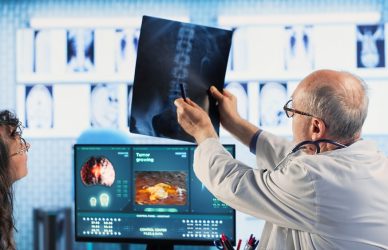


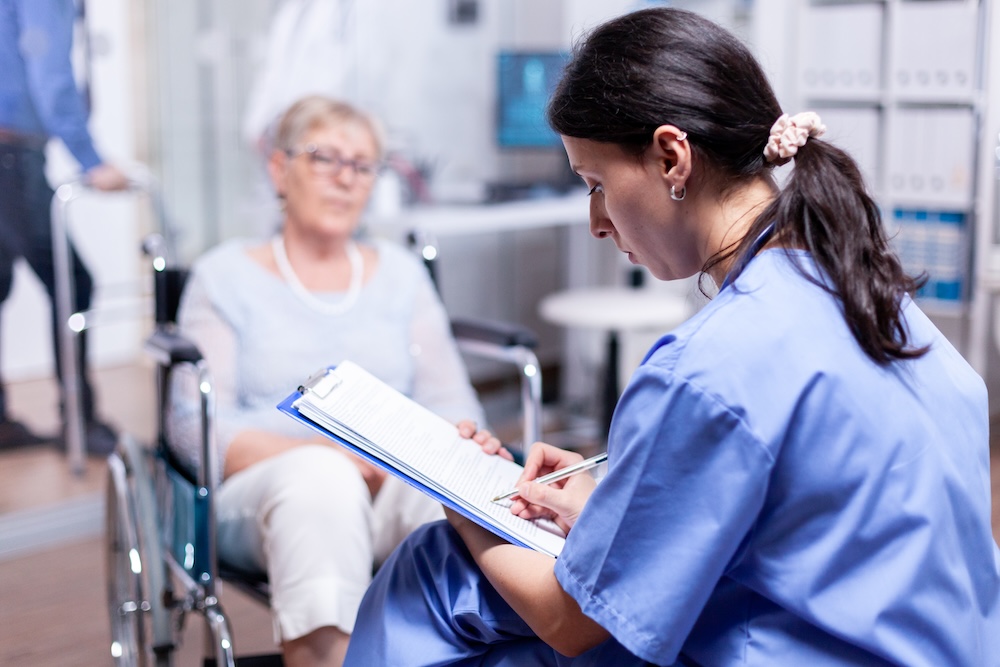
Starting a career as a Registered Nurse (RN) is one of the most meaningful ways to help people while building a stable and respected profession. Nurses are the heart of every hospital and clinic—they take care of patients, support families, and work closely with doctors to make sure everyone gets the right treatment. The best part is, this career is needed all over the world, so it opens doors to global opportunities.
If you’ve ever wanted a job where you can make a real difference every day, nursing is a great choice. You don’t need to be a doctor to save lives nurses do that in their own powerful way through care, attention, and quick action. This guide will clearly show you how to become a registered nurse step by step, along with the skills you need to succeed, explained in a simple and easy-to-understand way.
Table of Contents
What Is A Registered Nurse?
A Registered Nurse (RN) is a trained healthcare professional who works closely with doctors and medical teams to provide proper care and support to patients. Their main goal is to ensure patients are comfortable, safe, and well-informed during treatment. Nurses often act as a connection between patients and doctors, helping explain medical conditions and procedures in a simple and understandable way.
RNs can work in different areas such as emergency care, child care, heart care, or elderly support, depending on their interests. In hospitals or clinics, they check vital signs, give medicines, assist in treatments, and guide families on patient care at home. Becoming an RN requires proper education, practical training, and a license, ensuring they have the skills needed to deliver safe and high-quality care.
What Does a Registered Nurse Do?
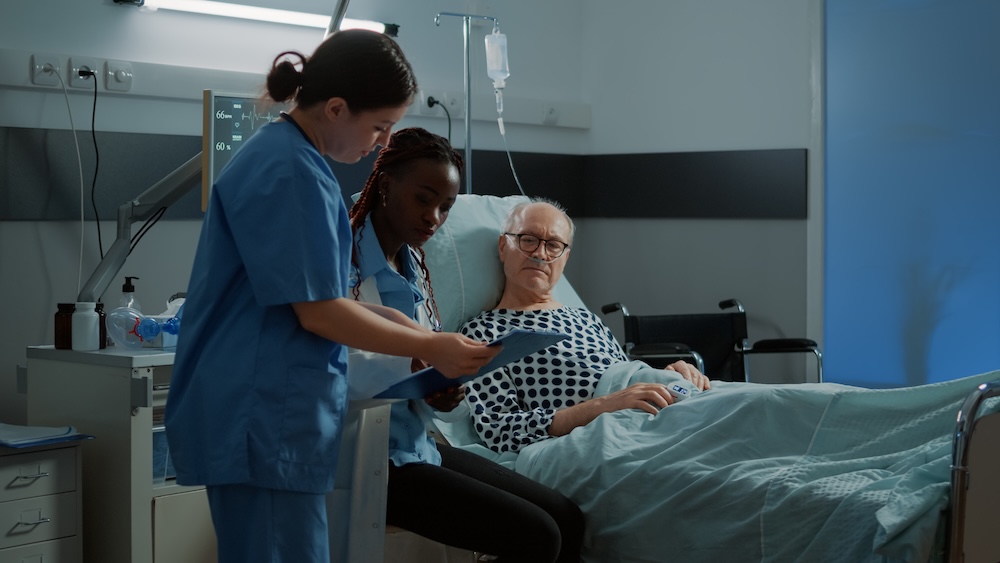
A Registered Nurse (RN) plays a key role in patient care by supporting both medical treatment and overall well-being. Their responsibilities go beyond basic care they ensure patients are safe, informed, and comfortable throughout their healthcare journey.
Main Responsibilities of a Registered Nurse:
- Monitor vital signs such as temperature, blood pressure, and heart rate
- Administer medications and treatments as prescribed
- Assist doctors during medical procedures and examinations
- Observe patient conditions and report any changes quickly
- Maintain accurate patient records and medical reports
- Provide basic care like wound dressing, hygiene support, and mobility help
- Educate patients about their condition, treatment, and recovery process
- Guide families on how to care for patients at home
- Offer emotional support and reassurance to patients and their families
- Ensure a clean, safe, and organized healthcare environment
Key Skills Required for Registered Nurse
- Communication Skills Nurses must communicate clearly with patients, families, and healthcare teams. This includes explaining medical conditions in simple language, listening carefully to concerns, and ensuring there are no misunderstandings during treatment. Strong communication improves patient trust and overall care quality.
- Empathy & Compassion Patients are often anxious or in pain, so nurses need to show kindness and understanding. Empathy helps nurses connect with patients emotionally, making them feel safe, respected, and supported throughout their recovery.
- Critical Thinking & Decision-Making Nurses regularly face situations that require quick thinking. They must assess patient conditions, identify problems, and choose the best course of action. Good decision-making can directly impact patient safety and recovery.
- Attention to Detail Even small changes in a patient’s symptoms can be important. Nurses must carefully observe and record details to avoid errors in medication, treatment, or diagnosis. This skill plays a major role in preventing complications.
- Time Management & Organization Nurses handle multiple patients and responsibilities at the same time. Being organized helps them prioritize tasks, manage their workload efficiently, and ensure that every patient receives timely care.
- Medical & Technical Knowledge A strong understanding of medical procedures, medications, and healthcare equipment is essential. Nurses use this knowledge to provide accurate treatment, interpret reports, and follow proper healthcare protocols.
- Physical Stamina Nursing can be physically demanding, with long shifts, standing for hours, and assisting patients with movement. Good physical strength and endurance help nurses perform their duties effectively without burnout.
- Teamwork & Collaboration Nurses work as part of a healthcare team that includes doctors, technicians, and support staff. Good teamwork ensures smooth coordination, reduces errors, and improves patient outcomes.
- Adaptability & Stress Management Healthcare environments can be unpredictable. Nurses must stay calm under pressure, adapt to emergencies, and handle stressful situations without affecting the quality of care.
- Patient Education Skills Nurses play a key role in educating patients and their families about medications, treatments, and recovery plans. Clear guidance helps patients follow instructions correctly and recover faster.
- Ethical Responsibility & Professionalism Nurses must follow ethical standards, respect patient privacy, and maintain professionalism at all times. This builds trust and ensures safe, respectful healthcare delivery.
- Problem-Solving Ability Every patient is different, and unexpected challenges can arise. Nurses need to think practically and find solutions that best suit each patient’s needs.
How To Become a Registered Nurse (RN)

Becoming a Registered Nurse (RN) follows a similar path worldwide, although specific rules may vary by country. The process mainly includes education, hands-on training, licensing, and job placement. If you’re planning to work in India or abroad, understanding this global pathway will help you build a strong and flexible nursing career.
1. Complete Your Secondary Education
Start by finishing your high school or equivalent education with a science background. Subjects like Biology, Chemistry, and sometimes Mathematics are important because they build the foundation for nursing studies. Good academic performance increases your chances of getting into reputable nursing schools.
2. Enroll in a Nursing Program
The next step is to pursue a recognized nursing qualification. This can be a Diploma in Nursing, an Associate Degree in Nursing (ADN), or a Bachelor of Science in Nursing (BSN). While diploma and ADN programs are shorter, a bachelor’s degree is preferred in many countries for better career growth and international opportunities.
3. Gain Clinical Experience
Nursing is a practical profession, so clinical training is essential. During your course, you will work in hospitals or healthcare settings to learn real patient care, medication handling, and emergency response. This hands-on experience prepares you for real-world responsibilities.
4. Pass Licensing Exams
After completing your education, you must pass a licensing exam to become an RN. The exam depends on the country for example, the NCLEX-RN is required in the United States and some other countries. These exams test your knowledge, decision-making, and clinical skills.
5. Register with a Nursing Authority
You need to register with the official nursing body in the country where you want to work. This could be a national or state-level nursing council. Registration is mandatory and ensures you meet professional standards to practice safely.
6. Prepare a Professional Resume
Create a strong resume that highlights your education, clinical training, certifications, and key nursing skills. Include areas like patient care, communication, teamwork, and medical knowledge. A well-structured resume helps you stand out in competitive job markets.
7. Apply for Nursing Jobs
Start applying to hospitals, clinics, and healthcare organizations. Many countries have high demand for nurses, so opportunities are widely available. Customize your applications based on job roles and use relevant keywords to improve your chances of selection.
8. Begin Your Nursing Career
Once hired, you can start working as a Registered Nurse in different healthcare settings such as hospitals, clinics, nursing homes, or home care services. With experience, you can specialize in areas like ICU, pediatrics, oncology, or emergency care.
Frequently Asked Questions (FAQs) About Registered Nurse (RN)
What qualifications are required to become a Registered Nurse?
To become an RN, you need to complete a recognized nursing program such as a Diploma, ADN, or BSc Nursing. After that, you must pass a licensing exam and register with the official nursing authority in your country.
How long does it take to become a Registered Nurse?
The duration depends on the course you choose. A diploma may take around 2–3 years, while a bachelor’s degree usually takes 3–4 years. Additional time may be needed for licensing and job placement.
Can I work as a nurse in another country?
Yes, nursing is a globally in-demand profession. However, you may need to pass specific licensing exams (like NCLEX-RN) and meet the requirements of the country where you want to work.
Is nursing a difficult career to study?
Nursing requires dedication, as it involves both theoretical knowledge and practical training. While it can be challenging, it becomes manageable with consistent effort and interest in healthcare.
What are the working hours of a Registered Nurse?
Nurses often work in shifts, including day, night, and weekend shifts. The schedule depends on the workplace, such as hospitals, clinics, or emergency care units.
What are the main responsibilities of an RN?
RNs monitor patient health, give medications, assist in treatments, maintain records, and educate patients and families about care and recovery.
Do nurses have good job opportunities?
Yes, there is a strong demand for nurses worldwide. Healthcare systems always need skilled nurses, making it a stable and secure profession.
Can a nurse specialize in a specific field?
Yes, RNs can specialize in areas like ICU, pediatrics, oncology, cardiology, or emergency care based on their interests and experience.
What skills are most important for a nurse?
Key skills include communication, empathy, critical thinking, attention to detail, and medical knowledge. These help nurses provide safe and effective care.
Is nursing only about hospitals?
No, nurses can work in clinics, home healthcare, schools, rehabilitation centers, and even community health programs, offering a wide range of career options.