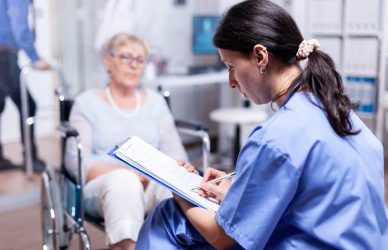



Building a career in healthcare is a goal for many, but the thought of years of medical school and high expenses can often feel overwhelming. The good news is—there are rewarding paths that don’t require becoming a doctor, and nursing is one of the most respected and accessible options.
Nursing offers a unique balance of purpose, stability, and growth. It allows you to directly impact people’s lives every day while building a secure and well-paying career. Whether it’s supporting patients during recovery, assisting in critical care, or being a reassuring presence in difficult moments, nurses are at the heart of every healthcare system.
With rising global demand, strong job security, and opportunities to work both in India and abroad, nursing has become a future-ready career choice. If you’re someone who values compassion, responsibility, and a meaningful profession, this path offers both personal satisfaction and long-term career growth.
Table of Contents
What is a Medical Nurse?
A medical nurse is a trained healthcare professional who plays a vital role in patient care. They support doctors, administer medications, monitor patient health, and ensure that treatment plans are followed effectively.
Beyond clinical tasks, nurses are often the first point of care for patients. They provide comfort, emotional support, and continuous attention throughout the recovery process. From hospitals and clinics to home care settings, their presence ensures that patients feel safe, informed, and cared for at every stage.
Nurses are the backbone of the healthcare system. Their ability to combine medical knowledge with compassion makes them essential in delivering quality care and improving patient outcomes.
Why Choose a Career in Nursing?
Choosing a career in nursing is one of the most secure and respected paths in healthcare. It offers not only financial stability but also personal satisfaction, global opportunities, and long-term growth. Nursing is a profession where your skills are always needed, and your work truly makes a difference in people’s lives.
- Strong Demand Worldwide:The demand for nurses is increasing across the globe due to aging populations, rising health issues, and expanding healthcare systems. Hospitals, clinics, and healthcare organizations constantly need qualified nurses to provide patient care. This growing demand ensures that nursing remains a future-proof career with plenty of job opportunities.
- Job Stability and Security:Nursing offers excellent job security compared to many other professions. Healthcare services are essential and cannot be replaced, meaning nurses are always in demand. Even during economic downturns, the need for healthcare professionals remains strong, giving nurses a stable and reliable career path.
- Good Salary with Growth Potential:Nurses earn competitive salaries, and their income increases with experience, skills, and specialization. As you gain expertise or move into advanced roles like nurse practitioner or supervisor, your earning potential grows significantly. This makes nursing a financially rewarding long-term career.
- Opportunities to Work Abroad:Nursing is a globally recognized profession, which means your skills can be used in different countries. With the right certifications and licensing, you can work in countries like the USA, UK, Australia, and more. This opens doors to better salaries, global exposure, and new career experiences.
- Meaningful and Impactful Work:One of the most fulfilling aspects of nursing is the ability to make a real difference in people’s lives. Nurses care for patients during their most vulnerable moments, offering both medical and emotional support. This sense of purpose and human connection makes nursing more than just a job—it’s a meaningful profession.
- Flexible Work Options:Nursing offers flexible working options, including day and night shifts, part-time roles, and even remote healthcare services like telehealth. This flexibility allows nurses to balance their personal and professional lives more effectively, making it a suitable career for many lifestyles.
What Are The Main Responsibilities of a Nurse?
- Providing Direct Patient Care: Deliver continuous bedside care by monitoring patient conditions, assisting with daily activities, and ensuring hygiene and comfort. This hands-on involvement directly impacts recovery speed, patient satisfaction, and overall treatment outcomes.
- Administering Medications: Ensure precise medication delivery by verifying prescriptions, calculating accurate dosages, and administering drugs safely. Nurses also monitor therapeutic responses and quickly identify adverse reactions to prevent complications.
- Monitoring Vital Signs: Track key health indicators such as blood pressure, pulse rate, temperature, and oxygen saturation. These real-time insights help detect early warning signs and enable faster clinical decision-making.
- Maintaining Medical Records: Document patient history, treatments, medications, and progress with high accuracy. Proper record-keeping ensures seamless communication across healthcare teams and supports legal, compliance, and audit requirements.
- Assisting Doctors and Medical Teams: Act as operational support for physicians by preparing patients, managing equipment, and assisting during procedures or surgeries. This collaboration ensures efficient workflow and improved patient care delivery.
- Communicating with Patients and Families: Translate complex medical information into simple terms, guide patients through treatment plans, and address concerns. Strong communication enhances trust, reduces anxiety, and improves patient cooperation.
- Ensuring Patient Safety: Implement strict infection control protocols, maintain sterile environments, and follow safety guidelines to minimize risks. Nurses also double-check medications and procedures to prevent medical errors.
- Observing and Reporting Changes: Continuously assess patient conditions and identify even minor changes in symptoms. Early reporting enables timely interventions, reducing the risk of complications and improving recovery outcomes.
- Providing Emotional Support: Offer compassionate care by supporting patients and families emotionally during stressful situations. Empathy and reassurance play a key role in mental well-being and healing.
- Educating Patients: Provide guidance on medication usage, recovery plans, lifestyle adjustments, and preventive healthcare. Patient education empowers individuals to take control of their health post-discharge.
Benefits of Becoming a Nurse
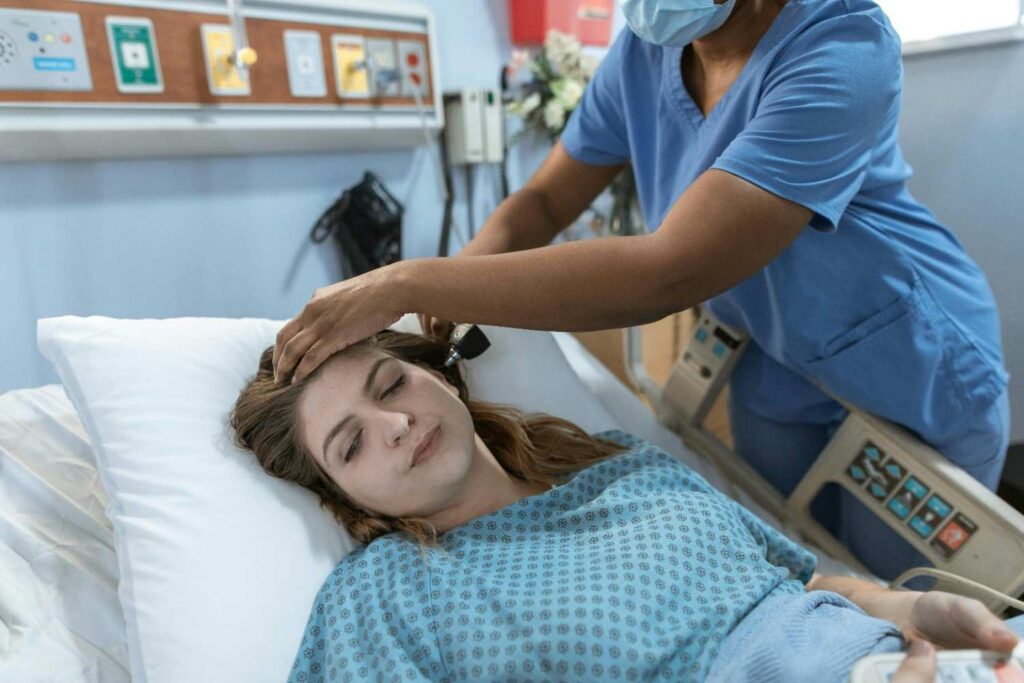
- Strong Job Security: Nursing is a high-demand profession across the globe. With the continuous need for healthcare services, nurses enjoy stable employment and long-term career reliability, even during economic uncertainties.
- Higher Salary Potential: As you gain experience and specialize in areas like ICU, emergency care, or surgery, your earning capacity increases significantly. Certifications and advanced roles unlock better compensation and financial growth.
- Wide Career Opportunities: Nursing is not limited to hospitals. You can work in clinics, schools, research centers, corporate healthcare, or even telehealth. This diversity allows you to explore multiple career paths within the same field.
- Global Career Mobility: Nursing qualifications are recognized worldwide, opening doors to international job opportunities. Many countries actively recruit skilled nurses, offering competitive salaries and better lifestyle benefits.
- Career Growth and Promotions: With experience, nurses can move into senior roles such as nurse manager, supervisor, or healthcare administrator. This upward mobility ensures continuous professional development.
- Flexible Work Options: Nursing offers flexibility in work schedules, including shifts, part-time roles, and specialized departments. Advanced nurses can also transition into teaching, consulting, or remote healthcare roles.
- Ability to Make a Real Impact: Nurses play a direct role in improving patient lives. From recovery support to emotional care, the impact you make is immediate and meaningful, creating a strong sense of purpose.
- Professional Recognition and Respect: Nurses are highly respected in society for their dedication and expertise. With specialization, they are recognized as key decision-makers in patient care and treatment processes.
- Continuous Learning and Skill Development: The healthcare industry is always evolving, which allows nurses to continuously upgrade their knowledge, learn new technologies, and stay professionally relevant.
- Personal Fulfillment: Beyond salary and growth, nursing provides emotional satisfaction. Helping patients recover and supporting families during critical moments creates a deeply rewarding career experience.
Types of Nurses
| Nurse Type | Key Responsibilities | Department / Work Area |
|---|---|---|
| Registered Nurse (RN) | Provide direct patient care, administer medications, monitor progress, assist doctors | General wards, hospitals, clinics, emergency units |
| Licensed Practical Nurse (LPN) / LVN | Check vital signs, assist with daily care, support RNs and doctors | Nursing homes, clinics, rehabilitation centers |
| Nurse Practitioner (NP) | Diagnose illnesses, prescribe medications, provide primary care | Primary care clinics, hospitals, private practice |
| Critical Care Nurse (ICU Nurse) | Monitor critically ill patients, operate life-support equipment, respond to emergencies | Intensive Care Unit (ICU), Critical Care Units |
| Pediatric Nurse | Care for children, administer vaccines, guide parents | Pediatric wards, children’s hospitals, clinics |
| OB-GYN Nurse | Assist in pregnancy, childbirth, and postnatal care | Maternity wards, labor rooms, gynecology departments |
| Psychiatric Nurse | Provide mental health support, counseling, monitor behavior | Mental health units, psychiatric hospitals, rehab centers |
| Surgical Nurse (OR Nurse) | Prepare operation theatre, assist during surgery, ensure sterile environment | Operation Theatre (OT), surgical departments |
| Home Health Nurse | Provide in-home care, monitor recovery, assist with medications | Patient homes, home healthcare services |
| Geriatric Nurse | Manage elderly care, monitor chronic conditions, provide long-term support | Nursing homes, geriatric wards, long-term care facilities |
| Public Health Nurse | Conduct health programs, educate communities, prevent diseases | Community health centers, NGOs, government programs |
| Nurse Educator | Teach nursing students, develop training programs, evaluate performance | Colleges, universities, training institutes |
| Nurse Administrator | Manage staff, oversee operations, ensure healthcare standards | Hospital administration, healthcare management offices |
| Travel Nurse | Work in different locations, provide temporary care support | Hospitals, clinics (short-term contracts globally) |
| Telehealth Nurse | Provide remote consultation, guide patients, monitor via digital tools | Telehealth platforms, remote healthcare services |
Key Skills Every Medical Nurse Must Have
- Medical Knowledge Nurses need to understand how the body works and how illnesses affect patients. This helps them give the right care, use medicines safely, and notice problems early.
- Communication Skills Nurses talk to doctors, patients, and families every day. Clear communication helps everyone understand the situation and builds trust with patients.
- Emotional Intelligence Patients are often scared or in pain. Nurses should be kind, patient, and understanding, so patients feel safe and cared for.
- Attention to Detail Small mistakes can be serious in healthcare. Nurses must be careful while giving medicines, checking reports, and following instructions.
- Physical Stamina Nursing can be tiring, with long hours and lots of movement. Good energy and strength help nurses stay active and do their job well.
- Critical Thinking Nurses must think quickly and make the right decisions, especially in emergencies. This helps them take action fast and keep patients safe.
How to Become a Medical Nurse
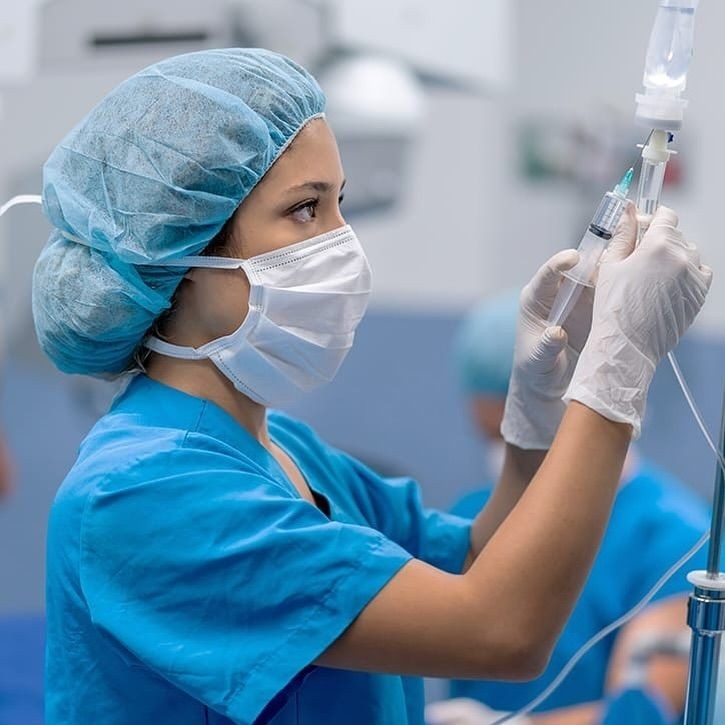
Becoming a medical nurse is not just about choosing a profession—it is about stepping into a role that combines knowledge, compassion, responsibility, and human connection. Nurses are often the first point of care and the last source of comfort for patients. They stand beside people during pain, recovery, and healing, making their role one of the most meaningful in the healthcare system.
The journey to becoming a nurse is structured, but it is also deeply personal. It requires discipline, patience, emotional strength, and a genuine desire to help others. Each step you take—from education to real-world experience—shapes you into a professional who can make life-saving decisions and provide care with empathy.
Step 1: Building a Strong Educational Foundation
Every nursing journey begins with completing your higher secondary education (12th grade). Choosing science subjects—especially Biology, Chemistry, and Physics—is highly important because they form the base of medical understanding.
At this stage, you are not just studying for exams—you are preparing your mind to understand how the human body works, how diseases develop, and how treatments affect patients. Biology helps you understand anatomy and physiology, while chemistry introduces you to medications and their effects.
In addition to academic knowledge, developing skills like observation, communication, and discipline is equally important. These qualities will later help you interact with patients and handle responsibilities with confidence.
Step 2: Choosing the Right Nursing Course for Your Career Goals
After completing your basic education, the next major step is selecting the right nursing course. This decision plays a crucial role in shaping your career path.
You can choose from:
- ANM (Auxiliary Nurse Midwife) – A basic-level course (2 years) ideal for quick entry into healthcare
- GNM (General Nursing and Midwifery) – A diploma program (3 years) offering broader practical knowledge
- BSc Nursing – A degree program (4 years) that provides in-depth education and better long-term opportunities
While all three options can lead you into nursing, BSc Nursing is widely considered the best choice for those aiming for higher positions, better salaries, and international career opportunities.
During your course, you will study subjects such as anatomy, physiology, microbiology, psychology, nutrition, and patient care. This is where you begin to think like a healthcare professional.
Step 3: Clinical Training – Where Learning Becomes Real
Clinical training is the stage where your theoretical knowledge meets real-life experience. This is one of the most important and transformative parts of becoming a nurse.
You will work in hospitals, interact with real patients, assist doctors, and observe various medical procedures. You will learn how to:
- Handle patients with care and respect
- Administer basic treatments
- Respond to emergencies
- Work as part of a healthcare team
This stage also introduces you to the emotional side of healthcare. You may witness pain, recovery, hope, and sometimes loss. These experiences shape your emotional strength and teach you empathy—one of the most important qualities of a nurse.
Step 4: Registration and Professional Licensing
After completing your education and clinical training, the next step is to register with your State Nursing Council or a recognized authority.
This step officially makes you a licensed nurse. It ensures that you meet the required professional standards and are qualified to provide safe and ethical care to patients.
Registration is not just a formality—it represents your transition from a student to a responsible healthcare professional.
Step 5: Starting Your Career in the Healthcare Field
Once you are registered, you can begin your professional journey. You may start working in:
- Hospitals
- Clinics
- Healthcare centers
- Nursing homes
- Community health organizations
Your first job is where real learning begins. You will apply your knowledge in real situations, manage patients, follow medical protocols, and work under pressure.
At first, it may feel challenging or overwhelming, but with time, you will gain confidence, improve your skills, and become more efficient in your role.
Step 6: Specialization – Moving Towards Expertise
After gaining some experience, you can choose to specialize in a specific area of nursing. Specialization allows you to develop deeper knowledge and become an expert in a particular field.
Some popular specializations include:
- ICU (Critical Care Nursing)
- Pediatric Nursing
- Surgical Nursing
- Emergency and Trauma Care
- Mental Health Nursing
Specialization not only enhances your skills but also increases your value in the job market. It opens doors to better positions, higher salaries, and leadership opportunities.
Step 7: Exploring International Career Opportunities
One of the biggest advantages of nursing is the opportunity to work abroad. Many countries have a high demand for skilled nurses and offer attractive salaries and work environments.
To work internationally, you may need to:
- Pass English proficiency tests like IELTS or OET
- Clear licensing exams such as NCLEX (USA) or CBT (UK)
- Meet country-specific requirements
Working abroad provides global exposure, better income, and the chance to experience different healthcare systems.
Step 8: Continuous Learning and Career Growth
Nursing is a field that constantly evolves with new technologies, treatments, and healthcare practices. To stay relevant, nurses must continue learning throughout their careers.
You can:
- Attend workshops and training programs
- Pursue higher studies like MSc Nursing
- Gain additional certifications
Continuous learning not only improves your knowledge but also helps you grow into advanced roles such as nurse educator, administrator, or specialist.
Top 5 Highest Paying Countries for Nurses

1. Switzerland
- Currency: Swiss Franc (CHF)
- Population: 8.8 million
- Vacancies: 10,000+
- Job Access: Hard
- Entry Level: CHF 64,115 = $82,700 / year
- Average Salary: CHF 90,673 = $116,000 / year
- Senior Level: CHF 111,948 = $144,600 / year
- Hourly Rate: CHF 43.59 = $56 / hour
- Annual Bonus: CHF 1,487 = $1,920 / year
2. United States
- Currency: US Dollar (USD)
- Population: 87,000
- Vacancies: High
- Job Access: Moderate
- Entry Level: $59,218 / year
- Average Salary: $83,515 / year
- Senior Level: $103,398 / year
- Hourly Rate: $40.15 / hour
- Annual Bonus: $1,370 / year
3. Australia
- Currency: Australian Dollar (AUD)
- Population: 26.5 million
- Vacancies: 70,000+ projected
- Job Access: Moderate
- Entry Level: $81,229 AUD = $57,600 USD / year
- Average Salary: $114,371 AUD = $81,146 USD / year
- Senior Level: $141,830 AUD = $100,600 USD / year
- Hourly Rate: $54.99 AUD = $39.00 USD / hour
- Annual Bonus: $1,876 AUD = $1,330 USD / year
4. Ireland
- Currency: Euro (EUR)
- Population: 5.3 million
- Vacancies: 10,000+
- Job Access: Moderate
- Entry Level: €41,447 = $49,200 USD / year
- Average Salary: €58,437 = $69,370 USD / year
- Senior Level: €72,370 = $85,900 USD / year
- Hourly Rate: €28.09 = $33.30 USD / hour
- Annual Bonus: €958 = $1,140 USD / year
5. Canada
- Currency: Canadian Dollar (CAD)
- Population: ~40 million
- Vacancies: 60,000+
- Job Access: Moderate
- Entry Level: 67,115 CAD = $49,300 USD / year
- Average Salary: 94,652 CAD = $69,508 USD / year
- Senior Level: 117,187 CAD = $86,000 USD / year
- Hourly Rate: 45.51 CAD = $33.40 USD / hour
- Annual Bonus: 1,552 CAD = $1,140 USD / year
Disclaimer:The salary figures presented in this article are based on data sourced from SalaryExpert and are intended for general informational purposes only. These figures represent estimated averages and may not reflect current or exact compensation in specific regions or organizations. Actual salaries can vary significantly depending on factors such as experience level, qualifications, specialization, geographic location, and market demand. Readers are advised to conduct independent research or consult official sources before making any career or financial decisions.
Frequently Asked Questions
What Qualifications Are Needed to Become a Nurse?
To pursue a career in nursing, you need formal training from a recognized institution. The most common qualifications include:
– ANM (Auxiliary Nurse Midwife): A basic nursing course, typically 2 years, focusing on community health and primary care.
– GNM (General Nursing and Midwifery): A 3-year program providing comprehensive training in patient care, clinical procedures, and midwifery.
– BSc Nursing (Bachelor of Science in Nursing): A 4-year degree offering in-depth knowledge, advanced clinical skills, and better career opportunities, including specialization.
These courses provide both theoretical knowledge and hands-on experience, preparing you for diverse nursing roles.
Is Nursing a Good Career in 2026?
Yes, nursing is a highly stable and in-demand career in 2026. With growing healthcare needs worldwide, nurses are essential in hospitals, clinics, and community health systems. The profession offers job security, global opportunities, and strong personal satisfaction.
What Is the Average Salary of a Nurse?
The salary of a nurse depends on experience, location, and specialization. Entry-level nurses earn a moderate income, while experienced and specialized nurses earn significantly higher salaries. Countries like the USA, Switzerland, and Australia offer some of the highest pay in the field.
What Skills Are Required to Become a Nurse?
A nurse must have strong medical knowledge, communication skills, emotional intelligence, and attention to detail. Critical thinking and physical stamina are also essential, as nurses often work in fast-paced and demanding environments while ensuring patient safety.
How Long Does It Take to Become a Nurse?
The time required depends on the course you choose. ANM takes about 2 years, GNM takes 3 years, and BSc Nursing takes 4 years. Additional specialization or advanced studies may extend the duration further.
What Are the Career Growth Options in Nursing?
Nursing offers excellent career growth opportunities. With experience and further education, nurses can become nurse practitioners, ICU specialists, educators, or healthcare administrators, allowing them to take on higher responsibilities and earn better salaries.
Is Nursing a Stressful Job?
Nursing can be challenging due to long hours and high responsibility, especially in critical care settings. However, it is also a highly rewarding profession that offers job satisfaction, emotional fulfillment, and a strong sense of purpose.